Fujifilm Data Management Solutions

When scanning is enough and when digitisation adds value

A practical decision guide to help you choose between basic scanning and indexing or a more structured digitisation outcome with agreed metadata, quality checks and outputs.

Start with the outcome you need and scale the approach

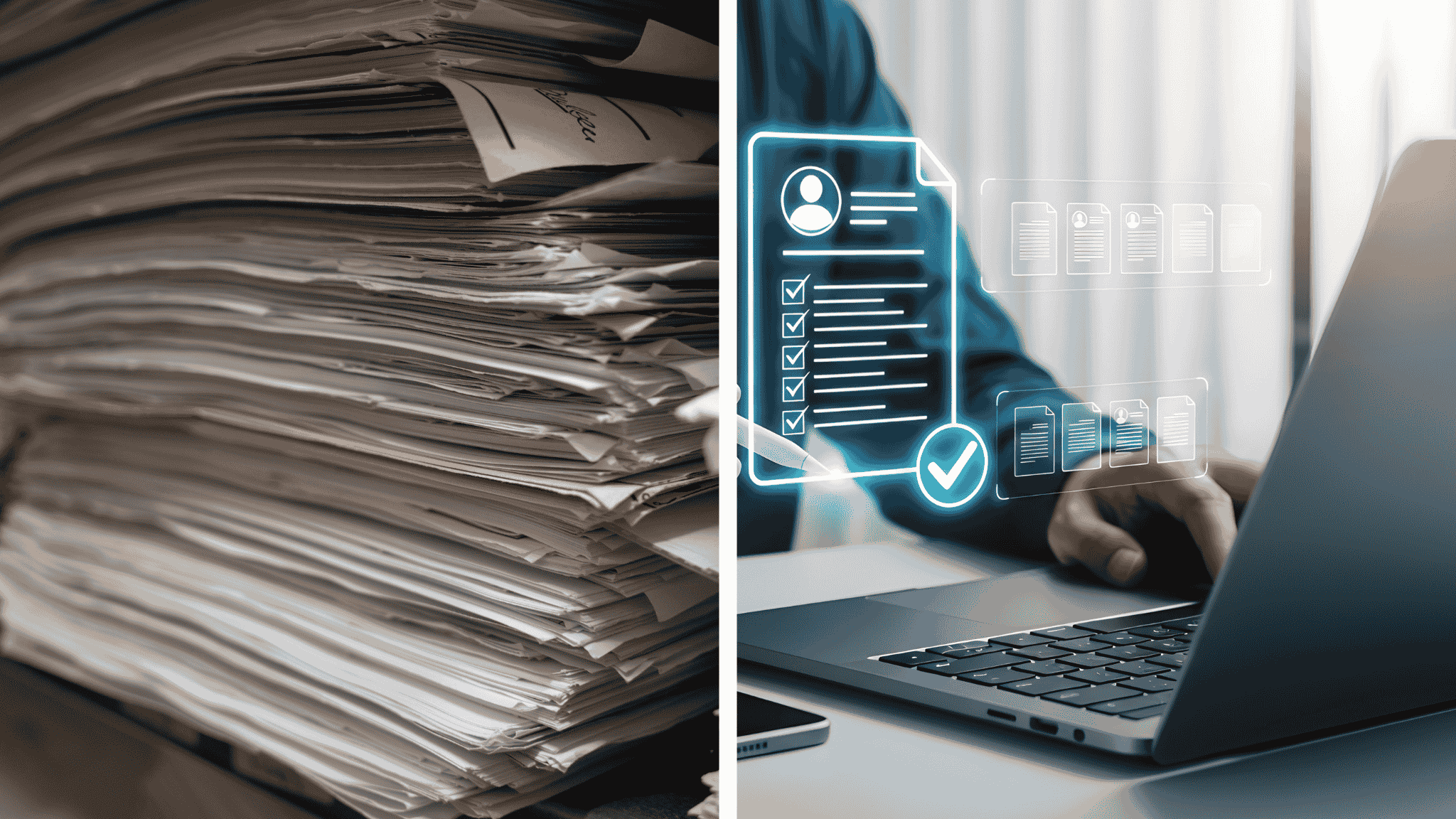
For many organisations, scanning and basic indexing is enough. It improves access, reduces handling and helps teams find records faster without adding extra structure that will not be used.

Digitisation adds value when you need consistency across larger volumes, clearer control over outputs or information that must be re-used or governed over time. This page breaks down the decision factors in plain terms so you can choose a practical approach before you scope the work.

Scanning or digitisation: what you actually need

Most digitisation programs start for practical reasons like space, access and record keeping.


Scanning and indexing is usually enough if


Digitisation usually adds value if

Two valid outcomes, based on how you will use the records


Scanning and retrieval

Digitise paper into usable files and make them easy to find with a basic index.


Structured digitisation

Add the minimum structure needed so outputs are consistent, trustworthy and ready for use across teams.


Start simple, scale only when needed

Begin with a defined batch, confirm what good looks like before applying the same standard across the full volume.

What we mean by scanning, indexing and digitisation

Scanning converts paper into digital files.

Indexing links each file to an agreed reference so it can be retrieved later (e.g. file number, box number, barcode, customer reference, property ID or matter number).

Digitisation usually includes scanning plus an agreed structure, such as naming conventions, metadata fields, quality checks and packaging so the outputs are consistent and usable in your workflow.

Scanning and indexing is a valid endpoint for many organisations. Digitisation adds value when the use case needs more structure or control.

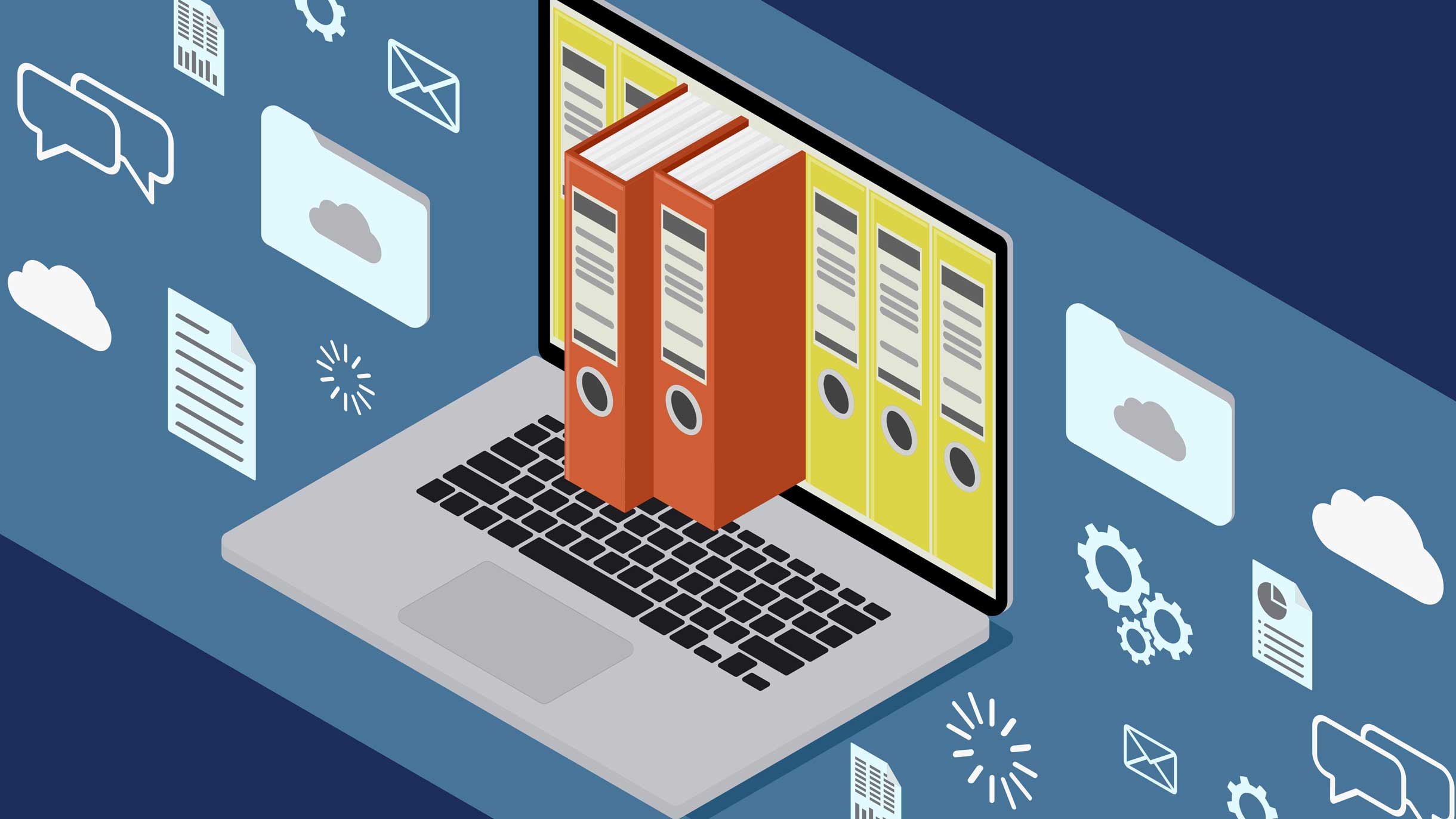
Fujifilm DMS scanning vs digitisation system.

Common reasons organisations move away from paper

Most organisations start with practical drivers and adjust the approach based on how records will be used.


Recover physical space, from rooms to entire buildings


Improve access to records and visibility across information


Meet compliance, retention and preservation obligations


Reduce handling effort, rework and storage costs

When scanning and basic indexing is often sufficient

Scanning and indexing is often enough when the goal is fast access and reliable retrieval without needing the content reused downstream.

When digitisation adds value

Digitisation adds value when consistency, governance or re-use matters more than simple access.

It does not need to mean heavy data capture. Often the value comes from agreeing the structure and quality standard so outputs are predictable.

Multiple teams rely on the same record set and need consistent structure

There is a retention expectation and you need outputs that remain usable over time

You need stronger quality checks, acceptance criteria and exception handling

You need agreed metadata fields so retrieval and sorting is consistent at scale

Information needs to be reused in a workflow, system or reporting process

Decision factors explained

The decision factors that usually matter most

Who needs to use the documents

If many people need access, consistency becomes more important. A structured approach helps reduce confusion, duplication and time wasted searching.

How often records are accessed

If records are used frequently, small delays add up. Better structure and predictable indexing reduces rework and retrieval time.

How long records must be retained

Longer retention can increase the need for durable formats, clear naming, consistent metadata and evidence of quality checks.

Whether data needs to be re-used

If information must be re-used downstream, you may need more than searchable text. Start with the minimum fields that support the workflow and only expand if it proves value.

Outputs to request based on the approach you choose

Outputs should be agreed during scoping so they match how your team will retrieve and use records.


Typical outputs for scanning and indexing


Typical additions when digitisation needs more structure

What changes in cost and effort when you add structure

Adding structure usually increases effort in a few predictable areas:

Most digitisation work is delivered as project-based engagements running weeks to months with larger programs delivered in stages so teams can start using outputs while processing continues.

A practical way to control cost and risk is to start with a defined batch, confirm quality and turnaround, then scale the same standard.

digitisation

A simple way to start if you are unsure

If you are not sure whether scanning is enough or whether digitisation adds value, start with a small sample or defined batch.

Choose a representative sample, not the easiest box

Agree what good looks like including outputs, naming, index fields and quality checks

Review results with the people who will use the records

Apply the final standard across the full volume

Why organisations choose Fujifilm DMS for scanning and digitisation

Fujifilm DMS delivers practical, project-based scanning and digitisation across Australia.


Trusted and certified

Independently certified to ISO 27001:2022 and ISO 9001:2015.


Scales up or down

Support for small clean ups through to large programs with staged delivery when it helps teams access records sooner.


Start simple and add structure where needed

Scanning and indexing first. Add metadata, quality checks and governance where the use case needs it.


Outputs built for real use

Searchable PDFs where useful, PDF/A where required and consistent index files to support retrieval and retention needs.

EXPLORE MORE

Explore related guidance and services

Frequently asked questions

Is scanning and indexing a valid final outcome?

Yes. Many organisations get strong value from straightforward scanning plus a simple index file that supports retrieval.

Scanning converts paper into digital files. Digitisation usually includes scanning plus an agreed structure such as naming conventions, metadata, quality checks and packaging so outputs are consistent and usable.

Searchable PDF matters when staff need to search within documents to find information quickly. If your retrieval is mostly based on file references and indexing, searchable text may be less critical.

PDF/A can be relevant where retention or archival needs require a format designed for long-term preservation. Whether it is required depends on your policy and use case.

Digitisation can add value through consistent structure, naming, metadata and quality checks. Data capture is worth considering when information must be reused downstream.

Run a small sample or defined batch. Agree outputs and quality checks upfront. Scale once the approach is proven.

Discuss your scanning or digitisation needs

Provide your document types, rough volumes and any retention requirements. We will confirm whether a straightforward scanning and indexing outcome is suitable or whether you will benefit from added structure and quality checks.

Industries We Serve

Our industry expertise and solutions

Fujifilm DMS can support any industry that needs to communicate frequently with customers across multiple channels, physical or digital. Whether you’re sending or receiving information or engaging with customers online, we’re here to help.