
Our core service delivery areas supporting information management and communications.
Targeted solutions supporting specific communication, digitisation and automation needs.
SMS and MMS delivery for notifications, alerts and customer messaging
Online forms and data capture for approvals and workflow integration
Transactional and operational email delivery with reporting controls
Transform paper-heavy processes into structured, searchable digital records
Secure conversion of physical records into structured, searchable digital files
High-volume print production and mail fulfilment services
Secure online access to digitised records and correspondence
AI‑driven document understanding with governance and control
AI-assisted document classification and data extraction
SMS delivery integrated with Okta for authentication and verification
High-volume mobile messaging for political engagement
Industry-specific solutions supporting secure communications, digitisation and compliance.
Secure communications and records digitisation for government
Compliant communications and document workflows for financial services
Claims digitisation and customer communications for insurers
Billing, notices and customer communications for utilities
Digitisation and service communications for transport authorities
High-volume communications and workflow support for telcos
Student communications and digital forms for education providers
Secure document workflows and communications for healthcare
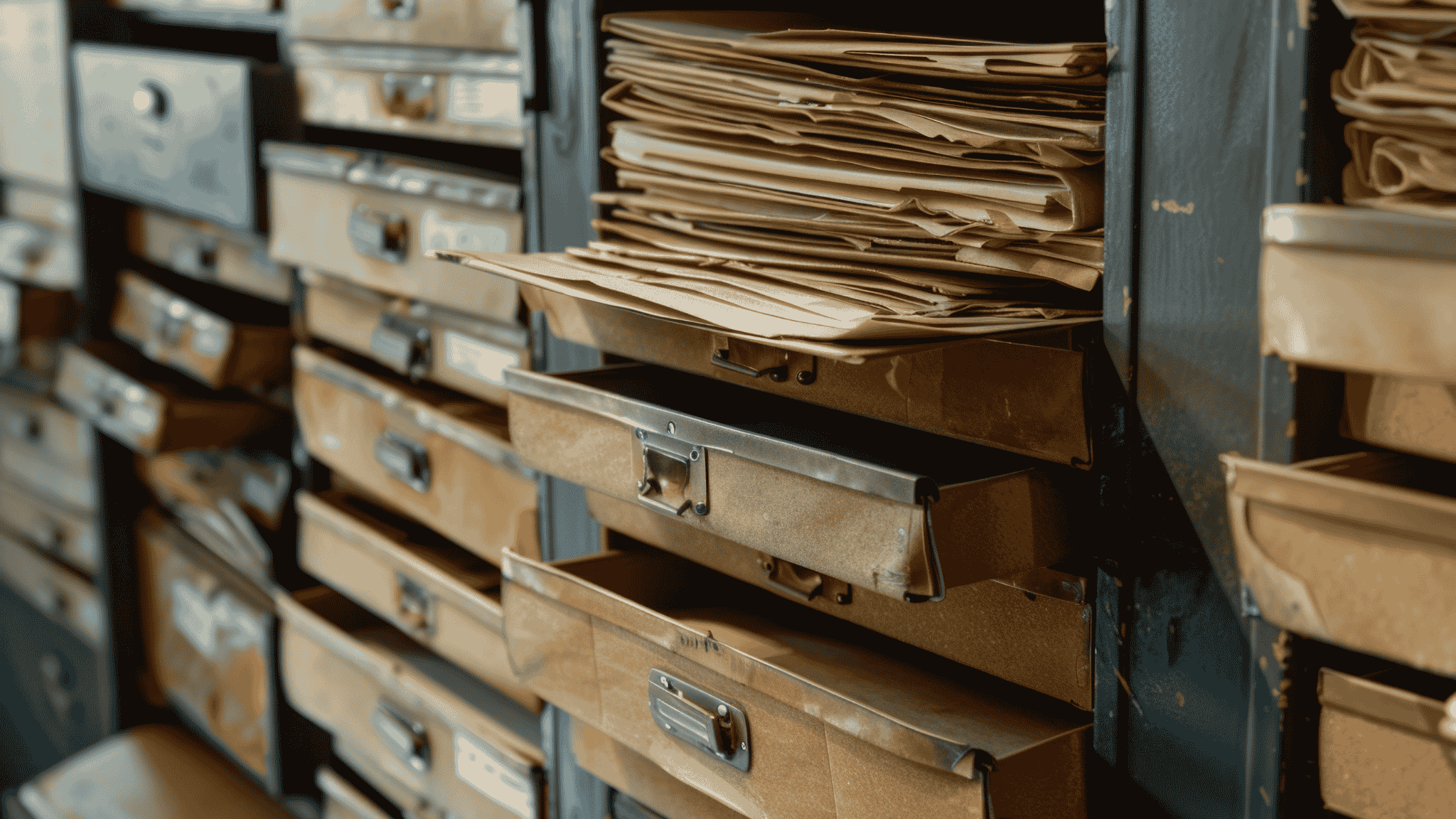
Digitise legacy paper records to reduce reliance on long-term physical storage. Fujifilm DMS converts archived cartons and files into secure, accessible digital records using controlled, compliant workflows.
Many organisations hold large volumes of paper records with third-party storage providers, often with limited visibility into what is stored, how frequently records are accessed or how long they must be retained. Over time, this creates rising costs, access delays and increasing compliance and privacy risk.
Fujifilm DMS supports a structured transition from storage to digital by assessing archived records, prioritising high-value and high-retention material and digitising at scale. This improves records governance and access while progressively reducing physical storage volumes and long-term exposure to storage-driven cost and risk.
Third-party storage models are designed to retain records indefinitely. While this can appear convenient in the short term, it often creates structural issues that become harder to unwind as volumes grow and reliance increases.
Escalating storage and retrieval costs. Ongoing price increases applied across storage, handling and retrieval, often with limited transparency or predictability.
Poor visibility and control. Limited insight into what is stored, how frequently records are accessed or whether retention requirements still apply.
Delayed access to critical information. Retrieval timeframes that do not align with operational or regulatory needs, particularly for high-priority records.
Risk outside organisational control. Exposure to loss, damage or unauthorised access once records are handled and stored externally.
Retention and audit complexity. Increasing difficulty demonstrating defensible retention, disposal and audit readiness across large, distributed archives.
Environmental and sustainability impact. Ongoing reliance on paper storage, transport and warehousing that conflicts with ESG and sustainability objectives.
Our digitisation services are backed by secure, high-capacity distributed processing centres, standardised workflows and secure infrastructure. We follow clearly documented procedures to protect sensitive records and ensure every file is handled with accuracy and traceability.
Establish visibility into what is held in storage, how records are accessed and which materials present the greatest operational, compliance or access risk. This provides a clear foundation for informed decision-making.
Identify records that must be retained long-term, are frequently retrieved or carry higher governance requirements. Digitisation efforts are focused where risk reduction and operational impact are greatest.
Convert physical cartons and files into secure, accessible digital records using defined handling procedures, chain of custody controls and quality assurance processes appropriate for sensitive and regulated information.
As priority records are digitised, reliance on long-term physical storage decreases. This enables organisations to progressively reduce storage volumes, retrieval activity and long-term exposure to storage-driven cost and risk.
Handling legacy records often involves sensitive or regulated information. Fujifilm DMS delivers digitisation programs with the controls, assurance and traceability required for this transition.
Records are received, handled and processed using controlled intake and tracking procedures, ensuring accountability and protection throughout the digitisation lifecycle.
Defined workflows and quality checks are applied to support accuracy, completeness and traceability, providing confidence in the integrity of digitised records.
Processes are suited to records subject to privacy, retention and regulatory requirements, where defensible handling and documented controls are essential.
Physical archives stored offsite often limit visibility into what records are held, why they are retained and whether disposal obligations are being met. As regulatory and audit expectations increase, this can introduce ongoing governance and compliance risk.
Digitising priority records into structured, accessible formats directly addresses these challenges by enabling:
These services support organisations transitioning away from long-term storage and improving access, governance and control of legacy records.
Fujifilm DMS delivers end-to-end digitisation programs for large, complex and sensitive record collections. Services are designed to support high-volume processing, regulated environments and long-term information governance, with flexibility to scale based on organisational priorities and constraints.
High-volume document scanning services support the conversion of archived cartons, files and legacy paper records into secure digital formats. Scanning is delivered using controlled workflows suited to both active and long-term records, enabling improved access while reducing reliance on physical storage.
Records sentencing and retention services support classification, retention visibility and defensible disposal decisions. This helps organisations understand what must be retained, what can be digitised and what may no longer be required, reducing long-term storage exposure and compliance risk.
Book a records assessment to explore how we can help you digitise smarter, reduce risk and unlock the value of your physical archives. Fill in your details and we’ll be in touch to arrange your complimentary assessment.
Fujifilm DMS can support any industry that needs to communicate frequently with customers across multiple channels, physical or digital. Whether you’re sending or receiving information or engaging with customers online, we’re here to help.