Fujifilm Data Management Solutions

Choosing a document digitisation provider in Australia

Understand the steps, outputs and questions to ask before you choose a digitisation provider

A practical option for any organisation with paper records

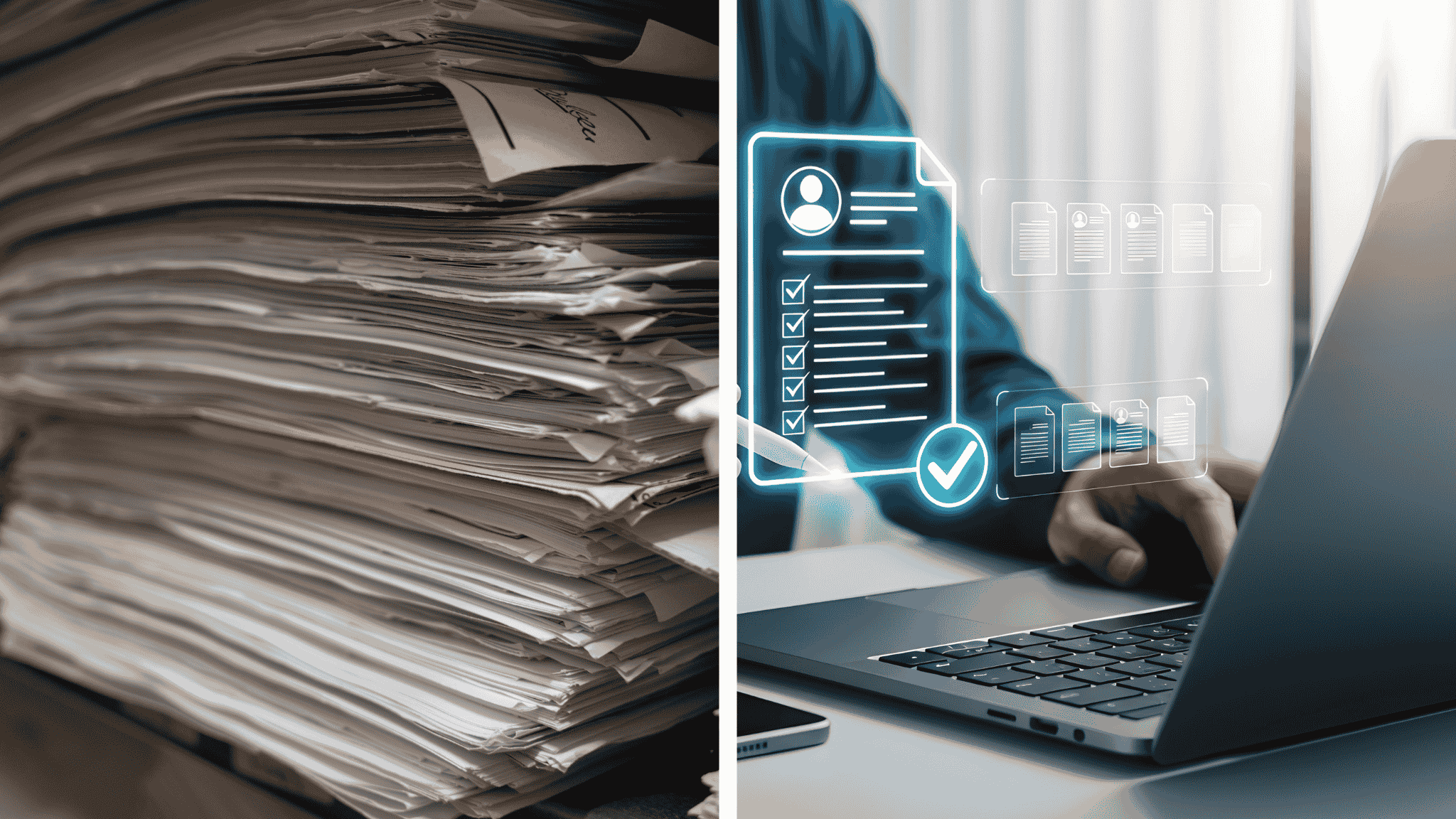
Digitisation programs are project-based and simpler than people expect. The usual starting point is scanning and basic indexing so teams can find and use records faster.

If you have higher volumes, mixed formats or specific compliance, retention or preservation needs, the approach can be expanded in a controlled way. Fujifilm DMS can support anything from a smaller archive clean-up through to a larger staged digitisation program without forcing unnecessary complexity at the start.

A simple way to choose the right approach


Scan and make records searchable

Convert paper records into searchable digital files so teams can find information faster.


Add basic indexing

Apply simple index fields and file naming so records can be grouped and retrieved reliably.


Add capture only when needed

Capture key fields only when needed, based on how the records will be used.


Add governance and automation only when justified

Introduce extra controls or automation when risk, compliance or scale makes it worthwhile.

Project shape

Most digitisation work is project based

Most organisations engage a digitisation provider through a scoped project with agreed outputs, quality checks and a clear delivery plan.

Timeframes are often measured in weeks to months, depending on volumes, document condition and how much indexing is required. For larger programs, work is typically delivered in stages so teams can start using digitised records while processing continues.

Small

A department clean-up, boxed files or a targeted archive. Outputs are usually searchable PDFs with simple index fields and consistent file naming. Often delivered as a single batch or a small number of batches.

Medium

A multi-team backlog delivered in planned batches. Defined index fields, agreed quality checks and regular progress reporting help keep outputs consistent across different document types and owners. Staged delivery supports faster access while work continues.

Large

A high-volume or multi-year program with mixed formats and higher retention needs. Delivered in stages with stronger controls around handling, tracking and exceptions plus more structured metadata where it is needed for governance or downstream use.

Common reasons organisations digitise paper records

Most digitisation programs start for practical reasons like space, access and record keeping.


Recover office and storage space

Reduce on site storage, cut warehousing costs and lower the ongoing effort of handling paper files. This can also reduce retrieval delays for teams that rely on archived records.


Improve access to records

Make records easier to find, share and respond to, with fewer delays for staff and customers. Searchable digital files support faster handling of enquiries and requests.


Support compliance, retention and preservation needs

Create consistent digital records that are easier to manage, retain and audit over time. This supports retention visibility and preservation requirements where needed.

Questions to ask before you choose a digitisation provider

Use these questions to confirm handling, outputs, quality checks and risk controls before you commit.


Delivery and practicality


Control and risk

SCOPE AND COVERAGE

Designed for small, medium and very large volumes

Digitisation can support a one off clean-up, ongoing scanning, or a staged program across teams and locations.

Backfile and archive scanning

Convert stored records into searchable digital files with a practical structure for retrieval and governance.

Day-forward scanning

Digitise incoming paper so teams can reduce handling and keep records accessible from the start.

Mixed formats and condition handling

Support a range of formats and conditions, with handling and quality checks matched to the material.

Digitisation can support a wide range of record types

Paper files and folders

Forms and applications

Large format plans and drawings

Bound and fragile items

Photos and mixed media

Microfiche and film

Why organisations choose Fujifilm DMS for digitisation?

Fujifilm DMS delivers practical, project based digitisation across Australia, starting with scanning and indexing and adding extra controls only when the outcome requires it.


Trusted and certified

Independently certified to ISO 27001:2022 and ISO 9001:2015.


Scales up or down

Support for smaller clean-ups through to large digitisation programs with staged delivery when it helps teams access records sooner.


National footprint

Operational capability across Australia to support single site or multi-site delivery.


Start simple, add only what is needed

Scanning and indexing first, then capture and governance only where the outcome requires it.


Outputs designed for access and governance

Searchable PDFs, PDF/A where required and consistent index files to support retrieval, retention and audit needs.

Typical digitisation outputs

Outputs are agreed during scoping so your team can search, retrieve and manage records with confidence.

Common outputs

Optional additions when needed

WHO THIS IS FOR

Digitisation for public and private sector organisations

Digitisation supports any organisation with paper records, from simple archives to higher control collections.

Councils and local government. Archived files, planning records and operational documents.

State and federal agencies. Program records, legacy files and long retention collections.

Insurance and financial services. Customer files, claims archives and policy records.

Utilities and energy. Field and asset records, customer correspondence and compliance files.

Property, planning and infrastructure. Plans, drawings, approvals and project archives.

Corporate archives and shared services. Backfile clean-ups, HR and finance records and central archives.

EXPLORE MORE

Explore related guidance and services

Frequently asked questions

Is digitisation only for regulated organisations?

No. Any organisation with paper records can benefit from digitisation. Regulated requirements may add controls and reporting but most projects start with straightforward scanning and indexing.

Scanning converts paper into digital files. Digitisation usually includes scanning plus an agreed structure such as indexing or metadata based on how the records will be used.

It depends on volumes, formats, document condition and how quickly you need outputs. Many projects run for weeks to months with larger programs delivered in stages.

Not always. Many projects start with straightforward scanning and basic indexing. In practice, AI is often used as part of digitisation work even for simple records, for example to extract text and produce searchable PDFs or PDF/A outputs. If you need specific data captured for downstream systems, we can extend this with structured field capture and controlled automation.

Typically you will receive a set of digital files plus an index that matches each file to its reference (e.g. a box number, file number or barcode). Output formats, file naming and any metadata fields are agreed during scoping so the files are usable in your systems. If you need it, outputs can include searchable PDF or PDF/A, image files and a CSV or XML index.

Start with a small sample or defined batch. We’ll confirm what “good” looks like upfront (outputs, file naming, metadata and quality checks). Afterwards, we’ll run the sample to prove quality, turnaround and effort. Once that is agreed, we scale the same approach across the full volume.

Talk to Fujifilm DMS about your digitisation volumes

Share the rough volume, document types and the outcome you need. We will recommend a practical starting point and only introduce additional capture or governance where it is justified.

Industries We Serve

Our industry expertise and solutions

Fujifilm DMS can support any industry that needs to communicate frequently with customers across multiple channels, physical or digital. Whether you’re sending or receiving information or engaging with customers online, we’re here to help.